Walk into any high functioning restaurant, hotel, or industrial catering facility, and you will immediately notice a common theme. Almost everything, from the prep tables to the cooking ranges and exhaust hoods, shines with the familiar silver gleam of metal.
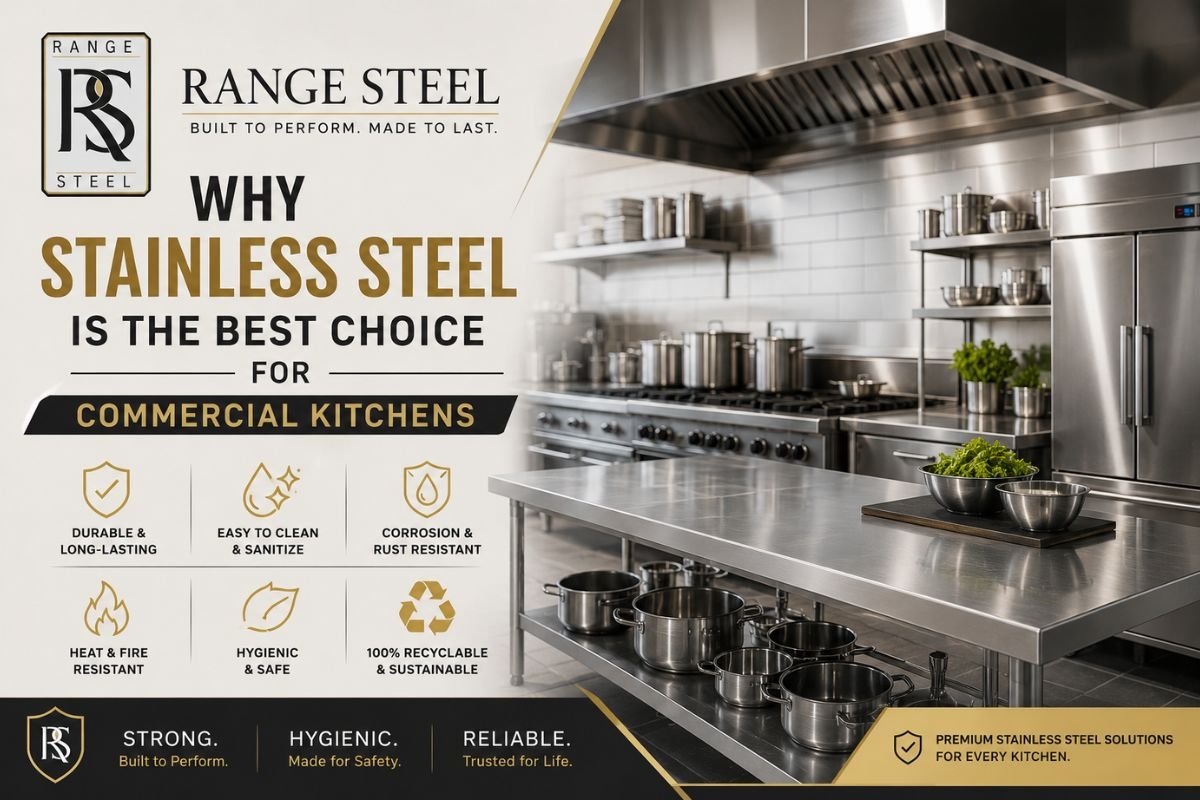
Stainless steel is the undisputed king of the professional food industry. But why has this specific material become the global standard? The answer lies in the intense demands of a commercial food environment. A professional kitchen is a war zone of extreme heat, sharp blades, acidic ingredients, and constant moisture. To survive and thrive in this space, you need equipment built from a material that can take a beating and still look brand new.
Here is a deep dive into why stainless steel remains the ultimate choice for commercial kitchen fabrication and why it is the smartest investment for your business.
Unmatched Durability and Heat Resistance
In a busy restaurant, equipment is subjected to heavy stock pots, slamming doors, and the constant scrape of metal spatulas. Wood warps, plastic cracks, and aluminum dents far too easily. Stainless steel, on the other hand, is incredibly strong. It maintains its structural integrity even under massive weight and repetitive impact.
Furthermore, a commercial kitchen generates immense heat. Stainless steel can withstand these extreme temperatures without melting, warping, or weakening. Whether it is the body of a high pressure gas burner or a table placed directly next to a blazing oven, the material holds firm, ensuring your kitchen remains safe and operational.
Ultimate Hygiene and Food Safety
When serving hundreds of customers a day, food safety is your top priority. The biggest enemy of a clean kitchen is bacteria, which loves to hide in the tiny grooves and pores of cutting boards and wooden tables.
Stainless steel has a completely nonporous surface. This means liquids, oils, and bacteria cannot penetrate it. A simple wipe down with hot water and a food safe sanitizer completely removes all traces of raw meat juices or sticky batters. This effortless cleaning process helps restaurants easily comply with strict health and safety regulations, preventing cross contamination and keeping guests safe.
Preserving Authentic Flavors
Many people do not realize that certain metals can actually alter the taste of food. Materials like cast iron, copper, and aluminum are reactive. If you place highly acidic ingredients like tomatoes, vinegar, or citrus juices on them, the metal can leach into the food, giving it a bitter, metallic taste.
Stainless steel is completely nonreactive. You can prep a massive batch of lemon vinaigrette or a rich tomato gravy directly on a steel table or in a steel vat without any fear of altering the flavor profile. The food tastes exactly as the chef intended.
Understanding the Grades 304 vs 430
Not all stainless steel is identical. When sourcing commercial equipment, it is vital to understand the difference between the two most common grades used in the industry.
Grade 304
This is the gold standard for food preparation. It contains high levels of chromium and nickel, which gives it superior resistance to rust and corrosion. Grade 304 is the material of choice for items that come into direct contact with food or constant moisture. You will find it used for premium work tables, sinks, dishwashing stations, and the interior of high end refrigerators. If you want equipment that will last a lifetime without rusting, 304 is the way to go.
Grade 430
This grade contains less nickel, making it a more budget friendly option. While it is still durable and easy to clean, it is slightly less resistant to heavy corrosion over long periods. Grade 430 is excellent for applications that do not require constant water exposure. It is commonly used for the exterior panels of ovens, the sides of refrigerators, equipment legs, and decorative trims.
Many smart kitchen designs utilize a mix of both. A prep table might feature a heavy duty Grade 304 top for food safety, supported by Grade 430 legs to keep the overall cost down while maintaining structural strength.
A Sustainable and Cost Effective Investment
Setting up a new culinary space requires a significant financial outlay. It can be tempting to cut corners with cheaper materials, but doing so often leads to frequent replacements and repairs.
Investing in high quality stainless steel equipment delivers an incredible return on investment. The material is practically indestructible when maintained properly, offering a lifespan of decades rather than just a few years. Additionally, stainless steel is entirely recyclable. At the end of its very long life, it can be melted down and repurposed, making it an environmentally responsible choice for modern businesses.
The Foundation of Culinary Success
Your equipment is the foundation upon which your menu is built. By outfitting your space with high grade stainless steel, you are providing your chefs with a clean, resilient, and professional environment. It speeds up preparation, reduces cleaning time at the end of a grueling shift, and ensures that your kitchen meets the highest standards of the food service industry. When you choose the right steel, you are not just buying a table or a stove; you are investing in the long term success and reputation of your brand.