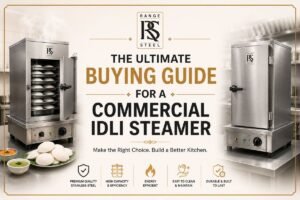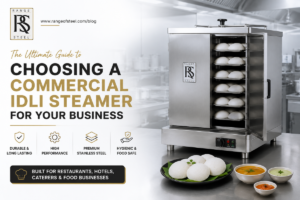
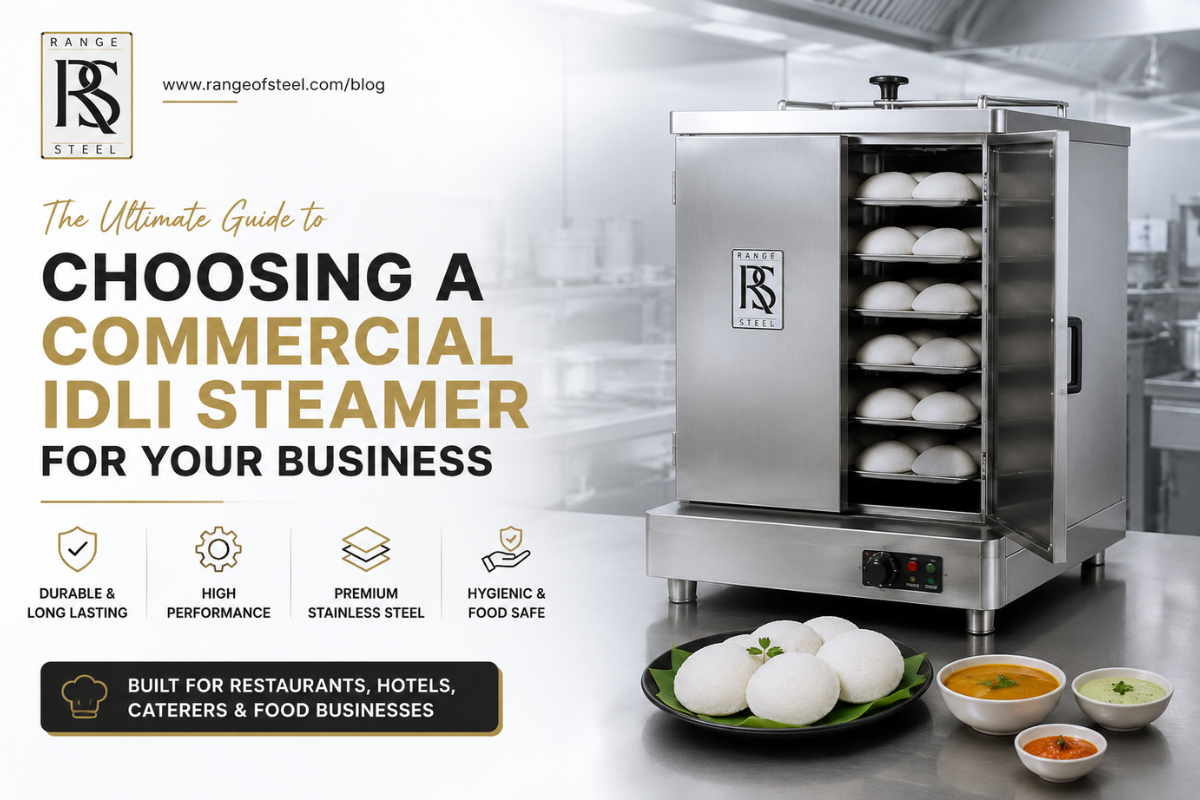
The Ultimate Guide to Choosing a Commercial Idli Steamer for Your Business
South Indian cuisine has taken the global food industry by storm, and at the heart of this culinary movement is the humble idli. Soft, fluffy, and incredibly healthy, idlis are a high margin item that sells out quickly from early morning breakfasts to late night snacks. However, scaling up production from a home kitchen to a commercial food business requires the right machinery.
Using a domestic cooker in a busy restaurant will only lead to delayed orders, inconsistent quality, and frustrated chefs. A commercial idli steamer is specifically engineered to handle high volume pressure while delivering perfect results every single time. Whether you are running a tiny delivery only setup or a massive banquet hall, here is everything you need to know about choosing the right commercial idli steamer.
Understanding the Power Source Options
The first major decision you will face is choosing how your steamer generates heat. The Indian market offers three main categories, each suited to different operational needs.
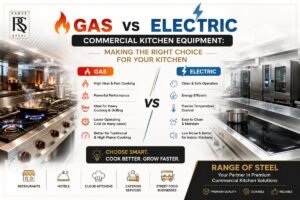
- Gas Operated Steamers: Gas operated models are the traditional workhorses of the Indian food industry. They connect directly to your commercial LPG cylinders and use high pressure burners to boil the water chamber. These are incredibly durable and perfect for areas that experience frequent power cuts. The running cost is generally lower, but they do generate ambient heat, which requires a strong kitchen exhaust system.
- Electric Operated Steamers: Electric steamers are becoming highly popular in modern commercial kitchens, especially in malls, food courts, and airport kiosks where open flames are strictly prohibited. These machines use heavy duty heating coils. They offer precise temperature control and an auto shut off feature when the water level drops, protecting the machine from burning out.
- Induction Based SteamersInduction is the latest technology in commercial steaming. These units are highly energy efficient because they transfer heat directly to the water tank using magnetic fields, meaning almost zero heat escapes into your kitchen. They heat up incredibly fast and can reduce your energy bills by up to forty percent compared to traditional electric coil heaters.
Sizing Your Steamer to Your Business Model
Buying a massive steamer for a small cafe is a waste of money and fuel, just as buying a small one for a big restaurant will cause severe delays. Here is how to match the machine capacity to your business type.
- The Cloud Kitchen and Tiffin ServiceIf you operate a cloud kitchen, space is your most valuable asset. You need a compact machine that can sit on a prep table without taking up the entire room.Capacity Needed: 36 to 54 idlis per batch.The Setup: A small tabletop electric or gas steamer is perfect here. It allows you to produce enough volume for the morning rush without dominating your limited floor space. Many of these smaller units are highly portable, making them great for catering small outdoor events as well.
- The Small Cafe and Quick Service RestaurantA busy cafe needs to move fast. When a customer orders a plate of idlis on their way to the office, they expect it in minutes.Capacity Needed: 72 to 108 idlis per batch.The Setup: A medium sized single door steamer works best. These units often feature six to nine trays. Choosing a steamer with well spaced trays is important so the steam circulates evenly, ensuring the idlis on the top rack are just as fluffy as the ones on the bottom rack.
- The Big Restaurant and Hotel KitchenLarge scale operations catering to hundreds of diners simultaneously cannot rely on basic models. You need industrial grade machinery that can run continuously for hours.Capacity Needed: 144 to 400 plus idlis per batch.The Setup: High volume restaurants require double door steamers or specialized boiler based plants. These massive units feature external steam generators that pipe high pressure steam directly into the cooking chambers. This completely eliminates recovery time between batches. As soon as you pull one trolley of cooked idlis out, you can push a raw batch in, and it will begin cooking instantly.
Essential Features to Look For Before Buying
Once you have decided on the size and power type, pay close attention to the build quality. A commercial steamer is a long term investment.
Material Quality: Always insist on Grade 304 stainless steel. Lower grades like 202 might look shiny at first, but the constant exposure to boiling water and steam will cause them to rust within months. Grade 304 is anti corrosive and completely food safe.
Insulation: A good commercial steamer will have a double wall construction filled with high density glass wool insulation. This traps the heat inside the cooking chamber, speeding up the cooking time and keeping the outside of the machine cool to the touch, which prevents accidental burns for your kitchen staff.
Tray Design: Check the depth of the idli moulds. Some regional variations require deeper moulds for larger idlis, while others prefer shallower plates for mini idlis. Ensure the trays are made of thick gauge steel so they do not warp under high temperatures.
Final Thoughts on Making the Right Choice
Investing in a commercial idli steamer transforms your kitchen operations. It standardizes your recipe, reduces the physical labor required by your staff, and drastically cuts down your ticket times. By evaluating your daily customer volume, your available kitchen space, and your preferred power source, you can select a machine that perfectly supports your business goals.
Equip your kitchen with the right technology, and you will be ready to serve fresh, steaming hot idlis to a growing base of loyal customers every single day.